Civic Dollars is a community currency that lets people earn rewards for spending time outdoors in geo-fenced Earn Zones. Over ten months in Derry City and Strabane, we tested it with people at risk of type 2 diabetes — and evaluated it in depth.
Start Reading


Here in Derry City and Strabane, we have shown that innovation is not determined by size or geography, but by strong partnerships, shared ambition and a willingness to challenge established ways of working. From pioneering the first Health Impact Assessment of a new residential development on the island of Ireland to developing innovative community models of dementia care, our district has demonstrated that meaningful innovation happens when organisations and communities work together with a shared purpose.
The Civic Dollars programme is another example of that approach in action. It set out to answer a simple but important question: could digital technology encourage people at risk of diabetes to become more physically active by spending time outdoors? Thanks to the support of Innovate UK and the vision of Civic Dollars, we have not only delivered an innovative programme but also generated valuable evidence about its impact.
The results are encouraging. Over a ten-month period, 474 participants made almost 7,800 visits to Earn Zones, spending almost 28,000 hours taking part in outdoor and community activities. Behind these figures are people choosing to walk more, discover local places, connect with others and engage with their communities.
This achievement reflects the commitment of many people — Innovate UK for investing in both the programme and its evaluation, Stephen McPeake of Civic Dollars whose vision brought this opportunity to our district, our delivery partners, and above all every participant whose willingness to embrace something new turned an innovative idea into meaningful change.

Digital incentives are a growing area of interest for those invested in preventing ill health. Financial and reward-based incentives are widely used in behaviour change interventions, and apps like Civic Dollars offer the opportunity to understand community participation, identify inequalities, evaluate interventions and make better decisions.
In our experience, digital incentives work for health. Participants reported a range of positive behavioural, wellbeing and lifestyle changes following participation.
The most commonly reported changes were spending more time outdoors and walking more than previously. Participants also frequently reported improvements in mood.
Fewer participants reported changes in weight, while responses on diabetic blood results were characterised by uncertainty — many had not undergone repeat blood testing during the evaluation period.

Continue investment in Civic Dollars across Derry City and Strabane
The strongest finding from the evaluation was not about technology. It was about implementation.
What mattered was how Civic Dollars was introduced. Participants who joined through trusted community organisations were consistently more likely to progress from registration to sustained engagement than those recruited through other routes.
People recruited through a community group demonstrated the highest levels of progression beyond registration, with almost half going on to redeem or donate rewards.
Participants recruited through outreach events showed intermediate levels of engagement, while those recruited through workplace initiatives were substantially more likely to remain at the Registered Only stage — and considerably less likely to progress to either the Redeemer or Donor pathways.
That may be because community organisations did much more than introduce the app. They encouraged, they supported, they answered questions, they motivated and they created opportunities for people to participate together. The community became part of the intervention.
Prioritise implementation alongside technology, and build programmes through trusted community networks
The rich detail available from digital incentives is one significant argument for their growth. Continuous behavioural information can help local authorities, health services and community organisations understand community participation, identify inequalities, evaluate interventions and make better decisions.
For us, that meant the ability to identify four behavioural pathways — registered, active, redeemer and donor — and look at the characteristics that influenced each journey. Behavioural engagement increased progressively over time: meaningful behaviour change requires time, trust and repeated opportunities for participation.
We found clear differences between men and women. Men were substantially more likely to remain in the Registered Only pathway, whereas women were more likely to progress to the Redeemer and Donor pathways.
Economic activity also influenced progression: participants who were working were more likely to remain in Registered Only than those who were retired or not working. Age, living arrangement, baseline community belonging and baseline loneliness were not significantly associated with engagement pathway.
Invest in local people, local places and local businesses to combat health inequalities
Derry City and Strabane experiences some of the most pronounced health inequalities in Northern Ireland — both between the district and others, and within the area, affecting life expectancy, prescription rates for mood and anxiety, and childhood obesity.
One feature of our approach was that the majority of available rewards and donation opportunities were local. Users could spend Civic Dollars on real-world rewards such as a coffee in a local shop, or donate their dollars to local community partners so they could run programmes for their own community.
Talking to participants, we uncovered an unexpected benefit: a more inclusive programme that addresses key health inequalities. For people living with anxiety, low confidence, poor mobility or financial pressures, smaller local businesses often felt more accessible and welcoming.
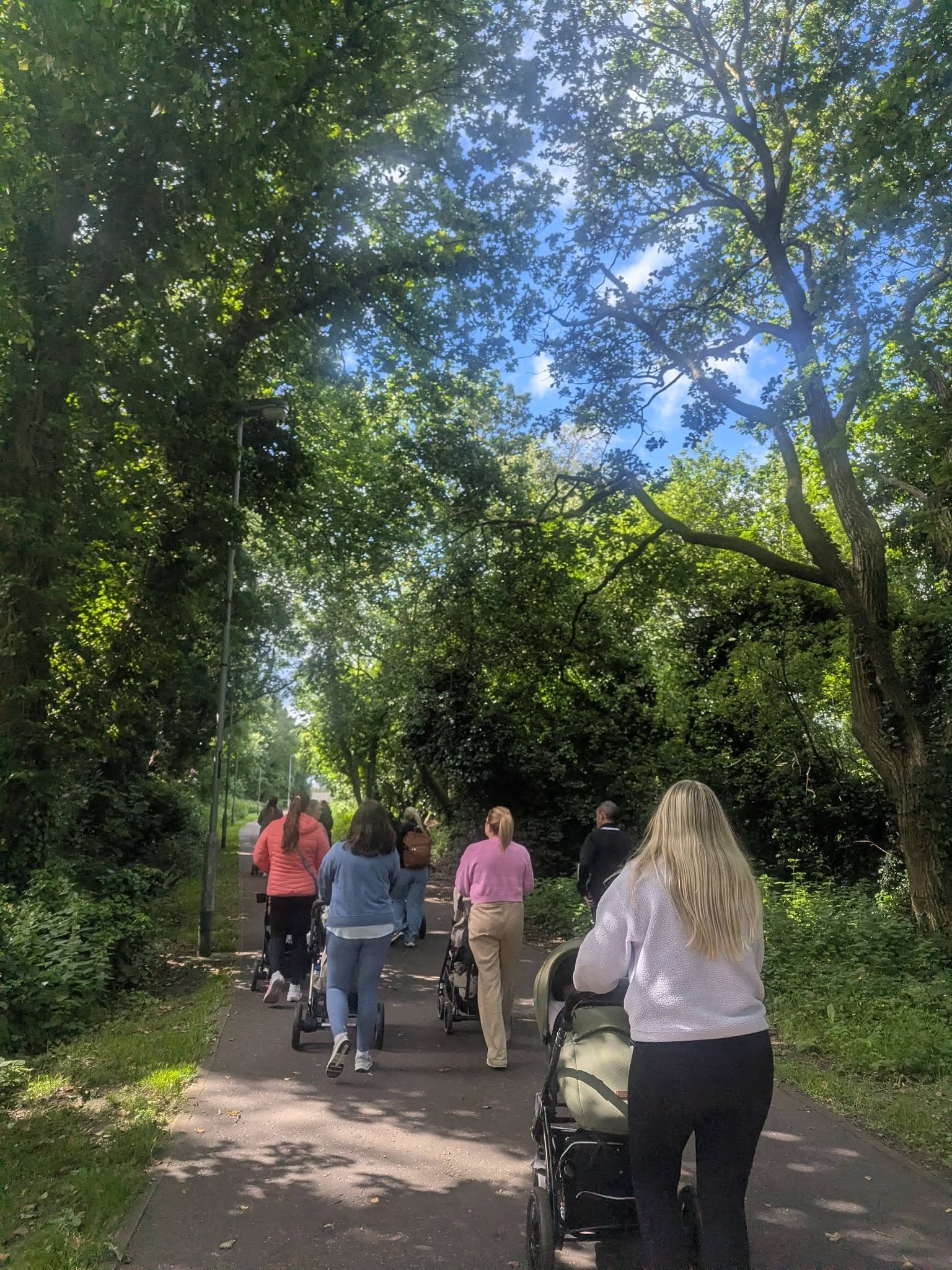
Across interviews and focus groups, participants said joining Civic Dollars encouraged them to spend more time outside and explore places they might not otherwise have visited — and they loved that they could support local businesses and donate to causes in their own area.
.jpg)
Allow sufficient time for behaviour change to develop, and measure engagement — not simply registrations
This evaluation would not have been possible without the time, openness and generosity of the many people who participated in the Civic Dollars programme and shared their experiences.
We would also like to thank the Civic Dollars delivery team, Developing Healthy Communities, Derry City and Strabane District Council, participating GP practices, community organisations and delivery partners whose collaboration, commitment and willingness to support the evaluation made this work possible.
We are grateful to have received funding from Innovate UK using the Contracts for Innovation mechanism. We hope that these lessons can further their mission to create a better future by inspiring, involving and investing in businesses developing life-changing innovations.

Civic Dollars is the community currency platform behind the programme, brought to the district by Stephen McPeake.

This project was made possible through funding from Innovate UK using the Contracts for Innovation mechanism.

